Friday, November 27, 2020

IMPORTANCE AND BENEFITS OF HAND SANITIZERS

 Hand washing with soap and water is one of the most important steps you can take to avoid getting sick and spreading germs to loved ones. Many diseases are spread by not cleaning your hands properly after touching contaminated objects or surfaces. And although not all germs are bad, illness can occur when harmful germs enter our bodies through the eyes, nose, and mouth. That’s why it is critical to wash hands at key times, such as after a flood or during a flu pandemic, when germs can be passed from person to person and make others sick.

buy hand sanitizer online

Here are three key reasons why you should always care about handwashing:

1) Handwashing can keep children healthy and in school. Handwashing education can reduce the number of young children who get sick and help prevent school absenteeism.

2) Handwashing can help prevent illness. Getting a yearly flu vaccine is the most important action you can take to protect yourself from flu. Besides getting a flu vaccine, CDC recommends everyday preventive actions including frequent handwashing with soap and water.

3) Handwashing is easy! Effective handwashing is a practical skill that you can easily learn, teach to others, and practice every day to prepare for an emergency.

4) Alcohol-based sanitizers can reduce about 97% of the bacteria on your hands.

5) Proper hand hygiene can reduce absenteeism at work by up to 40%.

6) Employees who use sanitizer at least five times each workday are about 67% less likely to get sick.

7) 30 seconds of using hand sanitizer kills a much bacteria as two full minutes of handwashing.

8) Offices with a sanitation program report 24% fewer claims for hand hygiene preventable diseases.

9) Stop the Spread of Germs: According to studies, 1 in 5 people don’t regularly wash their hands. Of those who do, 70% don’t use soap. Providing hand sanitizer in key areas (including bathrooms and kitchens) makes it more likely that people will use it to kill harmful bacteria.

10) Promote Good Hygiene and Health: According to studies, 1 in 5 people don’t regularly wash their hands. Of those who do, 70% don’t use soap. Providing hand sanitizer in key areas (including bathrooms and kitchens) makes it more likely that people will use it to kill harmful bacteria.

11) Reduce Waste: As an extra precaution, many people will use paper towels to open doors when leaving bathrooms or kitchens. Placing hand sanitizers near exits makes it easy for people to defend themselves from germs without needing to create additional mess.

Read more:

https://archive.org/details/@bravamarketing
https://themehunt.com/profile/bravamarketing
https://community.windy.com/user/bravamarketing
https://bigpicture.net/users/brava-marketing
https://campsite.bio/bravamarketing
https://www.bebuzee.com/bravamarketing/
https://www.expressoo.in/profile/infobravashop/profile
http://speedrun.com/user/bravamarketing
https://www.csslight.com/profile/brava-marketing
https://www.islumped.com/members/bravamarketing/profile/


Saturday, October 31, 2020

Know more about your hand sanitizer

 The US Centers for Disease Control and Prevention still highly recommends regular hand washing (with plain soap and warm water for at least 20 seconds) as the most effective way to prevent the spread of infection and decrease the risk of getting sick.

However, in this time of COVID-19 and heightened awareness of hand hygiene, a sink, running water and soap are not always readily available, making hand sanitizer the next best option, as recommended by the CDC.


Will any hand sanitizer do?

The CDC recommends using a hand sanitizer with at least 60 percent alcohol. The US Food and Drug Administration also urges everyone to avoid using hand sanitizers with methanol (wood alcohol), due to the high risk of toxicity and dangerous side effects, such as nausea, vomiting, headaches, blurred vision, blindness and other serious, potentially life-threatening conditions.

Could I make my own hand sanitizer?

The FDA does not recommend anyone make their own hand sanitizer at home. If a recipe/formula is incorrect or if it is incorrectly made, buy hand sanitizer online can be ineffective or potentially dangerous, causing skin burns or other irritations.

Government organizations understand that demand for hand sanitizer is high and will continue to be for the foreseeable future. Measures have been put in place to help increase alcohol-based hand sanitizer production.


Could I add alcohol to non-alcohol based hand sanitizer?

Non-alcohol hand sanitizers are not as effective as hand sanitizers with 60 percent alcohol. The FDA does not recommend adding any substance to hand sanitizers. Much like homemade hand sanitizers, adding alcohol to non-alcohol hand sanitizers increases the risk for skin burns and irritation. This includes household cleaning products.

Does hand sanitizer have an expiration date?

The FDA has designated hand sanitizers as an over-the-counter drug, which the agency regulates. All OTCs have expiration dates, and most hand sanitizers have an expiration date of three years.

How can I best store hand sanitizer?

Avoid keeping hand sanitizers within reach of children under 6. Young children should only use hand sanitizer under parental supervision. Also avoid storing it in areas that can reach 105 degrees, such as a car in summer.

Saturday, October 3, 2020

HAND SANITIZER: A GOOD HYGIENE PRACTICE KEEPS YOU CLEAN & SAFE

 Hand Hygiene Practice is one of the Good Hygiene Practices. And using Hand Sanitizer is a good habit in hand hygiene practices.

Reference 

Good Hygiene Practices are the practices performed by an individual to care for his/her bodily health through cleanliness.


Good hygiene is important for good health, feeling good, comfortable and social welfare. It involves keeping your hands, head, and body clean so as to stop the spread of germs, bacteria and illness. Not maintaining your personal hygiene creates an unpleasant feeling and can affect your mental health too, can lead to insecurities and loss of confidence.


Cleaning your hands well and often is the most important personal hygiene practice that prevents germs from leading to infections and sickness. However, cleaning your hands in proper ways is essential in today’s polluted atmosphere.


Use of hand sanitizer is a perfect solution for cleaning your hands and it is important for the prevention of contagious diseases.


A clean hands count campaign says that healthcare provider must need to clean their hands as many as 100 times per 12-hour shift depending on the number of patients they handle. Everyone should know importance of hand hygiene and alcohol-based hand sanitizer.


Some Benefits Of Hands Hygiene

Cleaning your hands is the most effective way to prevent the spread of infection. You can spread certain germs and bacteria casually by touching another person.


At many public places even by touching surface areas the germs get onto your hands and can make you sick. Hence, cleaning your hands without soap and water that means cleaning your hands by use of hand sanitizer can avoid these infections causing due to touching public place surfaces.

The unclean hands can cause diarrhea and spread some hand, foot and mouth infections.

The unclean hands can spread the flu faster. Germs can even get onto your hands if people touch any object that has germs on it. Because if someone sneezed or coughed on it or was touched by some other contaminated object. When these unclean hands are not washed off immediately the germs on it can be passed from person to person and make people sick.

The practice of cleaning your hands will also keep your child healthier and safe. Dirty hands can harm your child just by touching your child with infected hands.

Different Ways To Clean Your Hands

Washing your hands with soap and water is good practice of hand hygiene. However, only washing your hands will not kill invisible germs or will not kill 100% germs. Using hand sanitizer after washing your hands can make your hands cleaner and germs free. It kills the invisible germs, bacteria, and virus.

If at some public transportation services or during traveling there is no availability of soap and water. At that time you can cleanse your hands only by using hand sanitizer.

Hand sanitizer is also used when there is no water in spare. When there is water scarcity. Hand sanitizer contains at least 60 percent alcohol. Alcohol rubs kill many different kinds of bacteria.


Read more: promotional hand sanitizer

5 Different Places Where You Must Sanitize Your Hands

In Kitchens To Avoid Food Poisoning –

Some people often start cooking food without cleaning their hands. This will cause food poisoning. Therefore, before you start cooking food must clean your hands with hand sanitizer which kills all the germs over your palm and results in the cooking of healthy food.

Sunday, August 30, 2020

Why should you buy hand sanitizers online?

The hand sanitizer market is expected to grow at a CAGR of over 17% during the period 2019–2025.

Reference

One of the main factors contributing to the growth of hand sanitizers is the outbreak of the coronavirus (COVID-19), which has been declared as a global pandemic by the World Health Organization (WHO). While a little is known about the virus and its transmissions, health practitioners are recommending frequent hand washing with alcohol-based hand sanitizers as a possible alternative to keep the virus at bay. Hence, the increased recommendations by healthcare practitioners is expected to contribute to market growth. With the outbreak of the pandemic, several distillers across the globe have started manufacturing ethanol to prepare sanitizers. While the epidemic has significantly accelerated the demand for buy hand sanitizers online around the world, several companies are repurposing their production capabilities, owing to the shortage of hand rub and the introduction of counterfeit and substandard products. Moreover, the growing awareness toward personal hygiene and the increased prevalence of several viral outbreaks in several geographies have propelled the demand for hand cleaners. Healthcare, hospitality, residential, education, corporates, and government & defense agencies are major end-users witnessing high demand. However, relatively low awareness of such products and less penetration remains the major growth inhibitors in several APAC and Latin American countries.


The following factors are likely to contribute to the growth of the hand sanitizer market during the forecast period:

• Increasing Influence of Internet in Shaping End-users' Purchasing Behavior

• Growing Demand for Flavored & Organic Hand Sanitizers

• Growth in Promotional Activities

• Rise in Health Consciousness among Consumers


The study considers the present scenario of the hand sanitizer market and its market dynamics for the period 2019?2025. It covers a detailed overview of several market growth enablers, restraints, and trends. The study offers both the demand and supply aspects of the market. It profiles and examines leading companies and other prominent ones operating in the market.


HAND SANITIZER MARKET: SEGMENTATION


This research report includes a detailed segmentation by product, end-user, distribution, and geography. The outbreak of COVID-19 caused overpricing of gel-based hand sanitizers across the world. In the US, the price of a liter of hand sanitizer exceeded the price of a gasoline liter in March 2020. Hand sanitizer gel has been available in the market for the longest period, which has increased its acceptance among consumers. These hand cleaners have witnessed a close to 73% spike in the sale since March 2020 in the US alone. The North American region is expected to record the highest revenue for gel-based disinfectants on account of the outbreak of the coronavirus. The segment is expected to witness growth with key players in the region to follow thought leadership strategies to establish R&D facilities in the region and offshore manufacturing units post-pandemic. Construction, manufacturing, painting, and decoration sectors are the major end-users of liquid-based sanitizers. As liquid-based disinfectants demonstrate better antimicrobial performance than gel-based counterparts, the segment is expected to witness considerable demand in several segments. Therefore, consumers from painting and oiling activities prefer liquid-based over others. With rising awareness of contagious infections and an increased sense of hygiene at workplaces, workers and employers are maintaining the hygiene by mandating the use of hand disinfectants.


The healthcare sector is expected to generate the maximum revenue by 2025, owing to the outbreak of the COVID-19, which has increased the application. The sector has always been one of the key contributors to the global hand sanitizer market. The high-speed building of new hospitals and healthcare centers is further expected to increase the revenue for the healthcare sector. In March 2020, more than 50 temporary hospitals were built across the world, leading to increased consumption of hand cleaners in the sector. The segment in North America is expected to grow at a CAGR of over 20% during the period 2019–2025. As the most common form of transmission of pathogens is via hands, the application of hand cleaners is growing. Vendors providing gel-based products in the healthcare sector should focus on building the brand image and ensure that their products deliver end-results. However, the lack of awareness of hygiene and the absence of unanimity over prescribed recommendations have resulted in poor adherence to hand hygiene.


The hospitality sector is another key market segment for hand disinfectants. Hotels, restaurants, and food chains are the major sub-segments, which are witnessing the high application of hand disinfectants. As this segment requires to follow high-level hygiene and maintenance, vendors are developing a wide range of hand cleaners to cater to varying requirements. Further, food chains and restaurants worldwide have started to adopt the practice of placing hand cleaners in their handwashing areas, thereby increased applications. Vendors have been providing need-centric products for the hospitality segment. The residential sector is a crucial end-user for hand disinfectants. Over the last few years, end-users have become more aware of germs and infections prevailing in the environment. Households with small babies/infants or children have more hygiene conscious. Parents have become more attentive to adopt these disinfectants to prevent widespread disease or germ infections among children daily, thereby increasing the application of in the residential sector. Foam-based ones are in demand in the residential segment, although gel-based sanitizers are also increasing their presence.


Hand sanitizers are primarily sold through retail distribution channels such as supermarkets and hypermarkets, departmental stores, retail stores, and drug stores worldwide. Retail stores are the major revenue generators for several vendors in the hand sanitizer market. Therefore, these stores are important to promote their products. Supermarkets and hypermarkets are some of the store options where vendors can sell their products. Reckitt Benckiser's Dettol and Unilever's Lifebuoy are renowned brands, which occupy large shares. Digital sales are another important contributor to the overall growth due to advances in technology and increased penetration of the internet. The online sale is growing at a considerable rate, and it is expected to become a significant platform in the coming years across the world. People have started to become digitally inclined, especially with a high penetration rate of smartphones and gadgets, coupled with internet access for consumers across borders. This shift has driven the online sale of hand sanitizer products.

Wednesday, July 29, 2020

Does Hand Sanitizer Work?

 How effective is hand sanitizer in preventing disease? The answer may surprise you.

If you've visited a drug store lately, you probably noticed the empty shelves where hand sanitizers normally sit.

Reference

With the coronavirus (COVID-19) outbreak, it's not surprising that many people are taking extra steps to stay safe, including stocking up on sanitizing sprays, gels and soaps. But are hand sanitizers the best defense against bacteria and viruses like coronavirus and influenza?


Companies that market these products (which are sometimes labeled "antibacterial" or "antimicrobial") say yes. But some consumer advocates say no, arguing that they aren't effective and have the potential to engender bacterial strains that resist antibiotics.


As it turns out, the best answer is to take a common-sense approach.


How useful are hand sanitizers?

They're useful in the hospital, to help prevent the transfer of viruses and bacteria from one patient to another by hospital personnel. Beyond a hospital setting, it's very difficult to show that hand sanitizing products are useful.


Outside of the hospital most people catch respiratory viruses from direct contact with people who already have them, and hand sanitizers won't do anything in those circumstances. And they haven't been shown to have more disinfecting power than just washing your hands with soap and water.   


Convenient cleaning

The portable hand sanitizers do have a role during peak respiratory virus season [roughly November to April] because they make it much easier to clean your hands.


It's much more difficult when you sneeze to wash your hands than it is to use a hand sanitizer, especially when you are outdoors or in a car. The hand sanitizers are much more convenient, so they make it more likely that people will clean their hands, and that's better than not cleaning at all.


According to the Centers for Diseae Control (CDC), however, for hand sanitizer to be effective it must be used correctly. That means using the proper amount (read the label to see how much you should use), and rubbing it all over the surfaces of both hands until your hands are dry. Do not wipe your hands or wash them after applying.


Are all hand sanitizers created equal?

It's important to make sure any hand sanitizer you do use contains at least 60 percent alcohol. 


Studies have found that sanitizers with lower concentrations or non-alcohol-based hand sanitizers are not as effective at killing germs as those with 60 to 95 percent alcohol.


In particular, non-alcohol-based sanitizers may not work equally well on different types of germs and could cause some germs to develop resistance to the sanitizer.


Are hand sanitizers and other antimicrobial products bad for you?

There is no proof that alcohol-based hand sanitizers and other antimicrobial products are harmful.


They could theoretically lead to antibacterial resistance. That's the reason most often used to argue against using hand sanitizers. But that hasn't been proven. In the hospital, there hasn't been any evidence of resistance to alcohol-based hand sanitizers.


However, while there aren't any studies showing that custom hand sanitizer definitely pose a threat, there also isn't any evidence that they do a better job of protecting you from harmful bacteria than soap.


So while hand sanitizers have their place — in hospitals or when you can't get to a sink — washing with soap and warm water is almost always a better choice. 

Tuesday, June 30, 2020

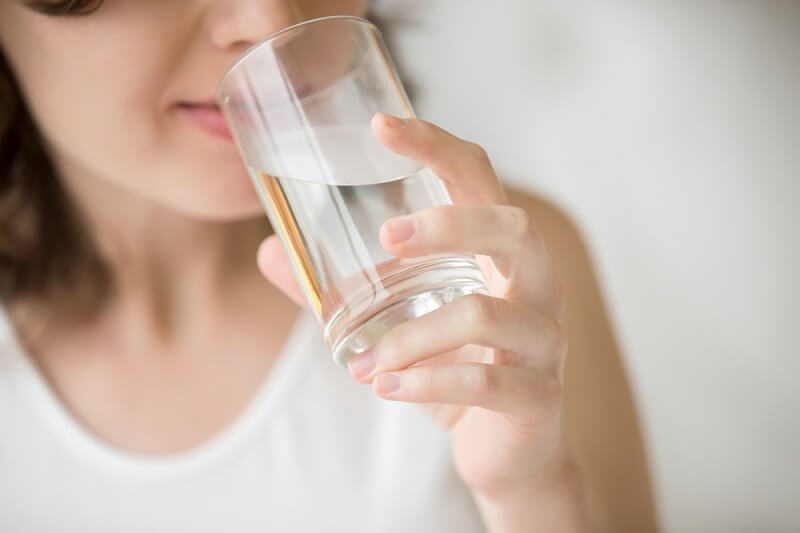
How much water do you drink per day?

How much water do you drink per day?

How much water do you drink per day? No, I'm not talking about moisture in general, but water. Preferably filtered water, but tap water is also allowed. How much? Do you drink 1 liter, 1.5, 2 liters or more or maybe you don't drink water at all? Did you know that you have to drink 2 liters of water in a day to be able to dispose of your waste products? And if the weather is very hot or you exercise intensively, you can certainly add half a liter.
Visit here to buy hand sanitizer online


Why drink water and not tea?

Why water and no tea, for example? Did you wash your car with tea? Some very dirty cars will indeed become cleaner, but they will never be completely clean. That is also the case with your body. Only water can remove all waste. Tea, especially herbal or green tea, is good for, for example, burning fat or stimulating other processes in your body. But water is the only moisture that really purifies. So especially drink tea, but not at the expense of the number of liters of water you take.


Symptoms of fluid deficiency

So what if you only take coffee, tea and soft drinks? Then you will soon dry out. Your fluid balance is disrupted. Because blood must be able to keep flowing, it will draw moisture from other parts of your body as the organs. Those organs start to deteriorate and you will suffer from headaches, migraines, abdominal pain, gallbladder pain and you will get inflammation in your body. Your body will retain moisture. It will sweat less easily, your feet and legs will get swollen and if you take off your socks in the evening, you will see the print in your legs. These are clear signs of a fluid deficiency.

Also read: https://custompromotionalproducts.home.blog/2020/06/25/tips-for-compression-during-covid-19/


Recover from a fluid deficiency

Fortunately, you can quickly recover from a fluid deficiency. Every morning a half liter of lukewarm water on an empty stomach and drink another half liter of water and you will soon see improvement. Your ring will no longer pinch, your socks are no longer in your legs and you feel much more vital.

Tip: Drink 1/4 e liters each time. Your cells will thank you. Taking a sip every now and then does not help. The sip gets lost and seeps through the cells instead of getting into the cell. So bulk drinking is what you have to do. At least 1/4 e liter at a time. And if you do that for half an hour before each meal, you will also eat smaller portions, which will benefit the line.


Ideal moisture management

Ideally you have a moisture percentage of 50%, but most people are just above 40%. A deficiency that can even make you sick. Half of your weight should therefore consist of moisture. You can often have this measured at the gym. If you start strict lines, you will initially lose moisture instead of the pounds of fat that you actually want. The body will first use the reserves of carbohydrates in muscles and liver. In addition, a lot of moisture is released, so that your scale calls out that you have lost weight, but that you are not actually. You will also see that as you grow more muscles through exercise, your fluid balance improves. That's because muscles contain a lot of fluid. As a result, you can also slightly gain weight, while the mirror shows you a better silhouette.

In short, water is of vital importance. We drink it too little which can cause complaints, which we would not initially attribute to a shortage of water. Are you not happy with yourself, start first go drinking two liters of water per day and at least 1/4 e liters each time. It could just be that you feel a lot better within 2 weeks.


Too much water is not good either

2 liters of water in a day is sufficient. If you sweat a lot that day, because it is incredibly warm, for example, or you have just run 10 kilometers, you will take more water. But too much water is not good either. If you drink too much water, you also wash away your minerals. You need those minerals to build up your cells.

Tuesday, June 2, 2020

How do you do a hand wash?

Nowadays almost every household has it: a washing machine, whether or not a dryer! This has made washing clothes or bedding much easier. Unfortunately, not all clothing can be washed in the washing machine. Then you will still have to do a hand wash. Below I tell you in three steps what you need to know about it.

Discover the complete range of detergent on 

When do you do a hand wash?
A label can be found on the inside of your clothing. This label indicates how and how many degrees you can wash the garment. You can see this by the symbols. Some garments cannot be washed in the washing machine due to the color, material (such as wool or silk) or due to the presence of sequins. These garments are only suitable for a hand wash. But how do you do a hand wash?

Step 1: Make soapy water
The easiest way to wash the garment is in a bathtub, so you have enough space. Don't you have a bath? Then you can also use a bucket or the sink. Make sure that the bucket or sink is clean before you use it. Then drain enough lukewarm water to fully submerge the garment. Add detergent suitable for custom hand sanitizer washing. This can be in powder or liquid form, for example from the brand. Biological enzyme complex so that the dirt is tackled without affecting the color and the substance.  Prewash when the laundry is too dirty to put in the washing machine right away. Check in advance which materials you can wash with the detergent.

Step 2: Washing
If the garment contains coarse stains, it is best to let the clothing soak in the soapy water. After soaking it is important that the water keeps moving by dipping. It is best to avoid wringing and rubbing to prevent damage to the garment. Make sure the suds are properly removed from the garment. You can do this by rinsing under running water or making the soap again but without the detergent.

Step 3: Drying
Gently squeeze the moisture from the garment and hang the garment on a clothes rack or clothesline. If the garment has become heavy due to the weight of the water that has been absorbed, it is best to lay the garment flat on a dry towel to prevent rubbing.